
Starting a low-histamine diet can feel overwhelming. The food lists can be confusing, the advice often conflicts, and you may be wondering what you can actually eat. I know because I have been there.
A low-histamine diet is designed to reduce the amount of histamine your body has to process. For people with histamine intolerance, this can help calm symptoms such as migraines, dizziness, brain fog—my big three—as well as congestion, hives, digestive issues, fatigue, and many others.
I have followed a low-histamine diet for years, and I am here to tell you that it can make a life-changing difference. Everything in this guide is based on what I actually do and what has helped me—not just theory.
In this beginner’s guide, I will walk you through how the diet works, which foods to focus on, which foods may cause problems, and the practical steps that can make low-histamine eating feel much more manageable.
New to histamine intolerance itself? Start with the bigger picture: → Living with Histamine Intolerance: Lessons, Solutions, and What Actually Helps
Just a quick note: I’m not a doctor; I don’t even play one on TV, but I am excited to share my personal low histamine diet journey with you because it has been life-changing for me. Remember, what works for me may not be a perfect fit for you. This blog is meant to share what I discovered through research and working with my doctors and hopefully offer some helpful insights based on my experiences. Before making any big changes, it’s always a good idea to chat with your healthcare provider.
WHAT IS A LOW HISTAMINE DIET
A low histamine diet is an eating plan that restricts foods high in histamine, a naturally occurring chemical compound. It is often followed by people with histamine intolerance, a condition where the body has difficulty processing histamine, leading to various symptoms. The symptoms vary greatly, from Migraines, dizziness, and brain fog (my big 3) to Congestion, hives, and digestive issues, and so much in between.
A low histamine diet aims to reduce histamine intake by avoiding high-histamine foods, histamine-liberating foods, and DAO-blocking foods. It typically includes fresh foods while excluding aged, fermented, and certain processed foods.
The goal is to alleviate symptoms you are experiencing from histamine intolerance by minimizing histamine consumption and histamine-liberating foods, and I am here to tell you it works and it is life-changing.
WHAT YOU CAN AND CANNOT EAT
One of the easiest ways I have found to understand a low-histamine diet is to divide foods into three categories: YES, NO, and MAYBE.
This makes the diet feel much less confusing than trying to memorize one long list of foods.
Incompatible Foods: The NO List
The NO foods are foods that are high in histamine, may trigger the release of histamine, or may interfere with DAO, the enzyme that helps break histamine down.
These foods tend to be poorly tolerated and are more likely to cause noticeable symptoms. For me, most of these foods are simply not worth the reaction. With the exception of a rare special occasion, I have accepted that many of them are no longer part of my regular diet.
👉View the complete NO Foods List
Compatible Foods: The YES List
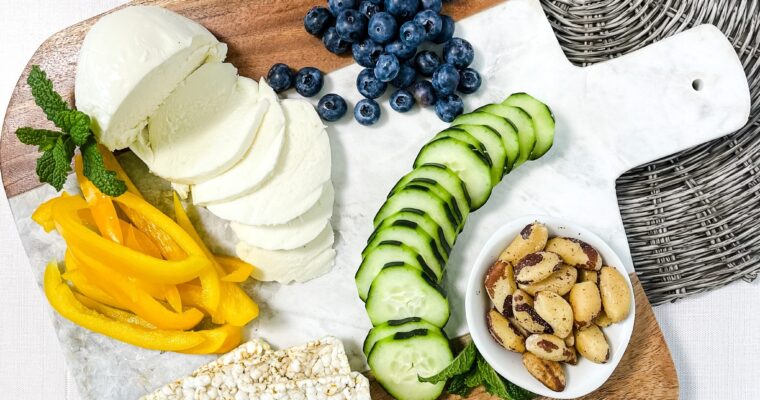
The YES foods are the foods that are generally the most compatible with a low-histamine diet.They are low in histamine and are not typically considered histamine liberators or DAO blockers. These are the foods I rely on most often and use as the foundation of my meals.
👉View the complete YES Foods List
May Be Compatible Foods: The MAYBE List
The MAYBE foods are where things get a little less clear. These foods fall into what I call the gray zone. Some people tolerate them without a problem, while others experience symptoms. You may also find that you can tolerate a small amount but react when you eat too much.
There is often conflicting information about these foods, which is why you will need to test them carefully and pay attention to how your own body responds.
My Low-Histamine Foods List explains how to test MAYBE foods one at a time so you can begin creating a personalized food list that works for you
A Note About Histamine Liberators and DAO Blockers
A food can be naturally low in histamine and still end up on the MAYBE or NO list.
That is because some foods may encourage the body to release stored histamine. These are often called histamine liberators.
Other foods may interfere with diamine oxidase, or DAO, one of the enzymes that helps break down histamine from food during digestion.
This is why following a low-histamine diet is not always as simple as looking at the histamine level of a food. You also need to consider how that food may affect histamine release and breakdown in your body.
👉Get the complete YES, NO, and MAYBE foods lists with my free printable PDF
HOW LONG DOES IT TAKE A LOW HISTAMINE DIET TO WORK
It is suggested you give the low histamine diet 4-6 weeks before you expect to be free of symptoms
However, I wanted to share with you my experience. In the beginning, when I was doing really poorly, and my symptoms were so debilitating, it took:
- 2 weeks to even notice an effect
- 4 weeks to feel hopeful improvement
- 12 weeks until I felt really good
Now that I have been doing the diet for years, if I get off track (which I do. It’s not easy eating this restrictive, especially when so much of what I love is now off limits), it takes far less time to get back on track. It now takes:
- 3-5 days to notice an effect
- 1 week to feel a hopeful improvement
- 2 weeks until I feel really good
When you go months, weeks, or even days eating low histamine foods, your bucket can empty out enough for you to start testing foods that previously triggered your symptoms, but now you are able to tolerate them and add them back into your diet. More on how to go about that later in the blog post.
TOOLS TO MAKE THIS EASIER
These are tools that I created to help me manage a low histamine diet, and I know they will help you too.
YES NO MAYBE Food Lists
Navigating a low histamine diet can be a daunting task, as knowing what’s safe to eat can be overwhelming. To simplify this process, I’ve created these YES, NO, and MAYBE Low Histamine Diet Foods lists.
Click here to access the food list and print a PDF copy.
Food Journal
Keeping a food journal is vital for anyone navigating a low-histamine diet. It’s like having a personal roadmap to your dietary well-being. By logging what you eat and drink, your symptoms, and the supplements you take, you can uncover hidden triggers and understand how different factors affect your symptoms. This diligent tracking enables you to customize your diet to your unique needs, making it more than just a record of meals—it becomes a tool for empowerment, helping you make informed choices that lead to better health and a deeper understanding of your body’s reactions.
Click here to access our comprehensive Food Journal – available for both printing and downloading.
Quick Start Guide
Access this Quick Start Guide to get you going on a low histamine diet quickly and with the tools you need to be successful. The Guide is packed with practical diet tips, comprehensive ‘Yes’, ‘No’, and ‘Maybe’ food lists, a food journal, and an informative FAQ section – all designed to set you on a successful path to managing histamine intolerance.
TIPS FOR REAL LIFE: SHOPPING, RESTAURANTS, AND TRAVEL
Following a low-histamine diet at home is one thing. Grocery shopping, eating at restaurants, going to someone else’s house, and traveling are where things can get a little more complicated. Over the years, I have learned a few tricks that make real life much easier and help me stick with the diet without feeling like I have to stay home and avoid everything. These are the practical tips I actually use when I am shopping, eating out, or traveling.
Affiliate Disclosure: Some of the links in this post are affiliate links to products I personally use, love, or recommend. If you make a purchase through one of these links, as an Amazon Associate, I may earn a small commission at no additional cost to you. Your support helps me continue creating resources for the histamine intolerance community—thank you!
Grocery Shopping
READ EVERY LABEL! I don’t mean to yell but I can’t stress this enough. You will be surprised what kind of crap is hidden in your food. You might think you are doing great but wonder why you are getting worse only to realize there is locust bean gum in your coconut milk *gasp*.
Sometimes getting certain foods at your local stores is just not an option. These online stores offer good, additive-free options: Thrive Marketplace and Amazon/Whole Foods.
Eating Out at Restaurants and at Family/Friends’ House
Eating out is hard, I am not going to sugarcoat it. But with some planning ahead you can still enjoy a dinner out with friends and family. Here are some tips to help you do just that.
- Choose Foods that are unseasoned or seasoned using butter and seasoning from the YES list
- Steak
- Chicken
- Grilled Artichoke
- Baked Potato
- Rice
- Salad (w/ veggies from the YES list) – no dressing but can add fresh mozzarella
- Rice Pasta
- Quinoa cooked in water
- Veggies sauteed in butter (veggies from the YES list)
- Oatmeal with Blueberries and honey
- Carry your salad dressing in a flask – Whether it’s dinner at a restaurant or a friend’s house, salad is usually a safe bet or easily made so, except for the dressing. So bring your Salad dressing in a flask with you. Problem solved! And you will look kind of mysterious using it.
- Create a list of restaurants that work for you so when someone asks you to dinner you can offer a few suggestions
Traveling
Travel is its own beast. Airports, hotel rooms, and other people’s schedules all conspire against you. → Read my full guide to traveling with histamine intolerance
➡️Read my full guide to traveling with histamine intolerane.
RECIPES TO GET YOU STARTED
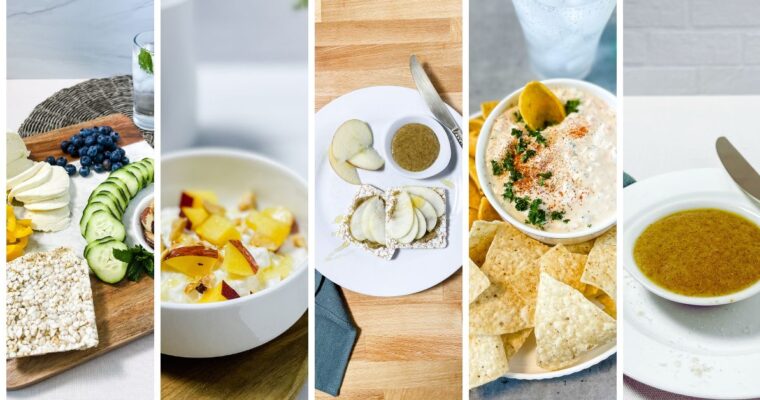
Knowing what you can eat is one thing. Actually wanting to eat it is another. That is the whole reason this blog exists — the challenge of finding TRULY low histamine recipes that are still crave-worthy.
Start here for a complete day of meals:
DINNER
Classic Pesto with Rice Pasta
👉 Browse the full Recipe Index – Breakfast, snacks, appetizers, drinks, sauces and spreads, and Test Your Tolerance Recipes
LOW HISTAMINE DIET FAQ
What is a low histamine diet?
A low histamine diet is an eating plan that restricts foods high in histamine, a naturally occurring chemical compound. The diet aims to reduce histamine intake by avoiding high-histamine foods, histamine-liberating foods, and DAO-blocking foods. It typically includes fresh foods while excluding aged, fermented, and certain processed foods.
Why eat a Low Histamine diet?
A low histamine diet is a great tool for people with histamine intolerance or histamine sensitivity. Check out the symptoms of histamine intolerance and if you think you might have it, talk to a doctor (one who understands histamine intolerance) about eating a low histamine diet.
Does a Low Histamine Diet work?
Absolutely! I am proof that it 100% does. If you have histamine intolerance and you stick to the diet you will notice an improvement in how you feel.
How long does it take a Low Histamine Diet to work?
It is suggested to give it 4-6 weeks. However, for me in the beginning, it took 4 weeks to notice a change and 12 weeks to be nearly symptom-free.
Can a low histamine diet help you lose weight?
The low histamine diet is not specifically designed for weight loss but rather designed to lower histamine levels in the body. However, a by-product of following a low histamine diet MAY result in weight loss, as it did for me. For me, the switch from eating less processed food, aged cheese, cured meats, and bread to eating more fruits, veggies, and whole foods was a far healthier diet and hence I lost weight and my health improved.
What can you eat on a low histamine diet?
Knowing what you can and can’t eat on a low histamine diet can be daunting and overwhelming. Check out my blog post here where I break it down and give you YES, NO, and MAYBE food lists to make the decision on what to eat easier.
How do I start a low histamine diet?
Starting a low histamine diet can be so confusing because for many it is such a big change in what and how you eat. I put together a Low Histamine Diet Quick Start Guide so you can start today.
WHERE TO GO NEXT
👉Living with Histamine Intolerance: Lessons, Solutions, and What Actually Worked
👉Low Histamine Food List – free YES, NO, and MAYBE printable lists
👉 The Essential Low Histamine Food Journal – Find your own triggers
👉Low Histamine Kitchen Essentials – the tools I use every day